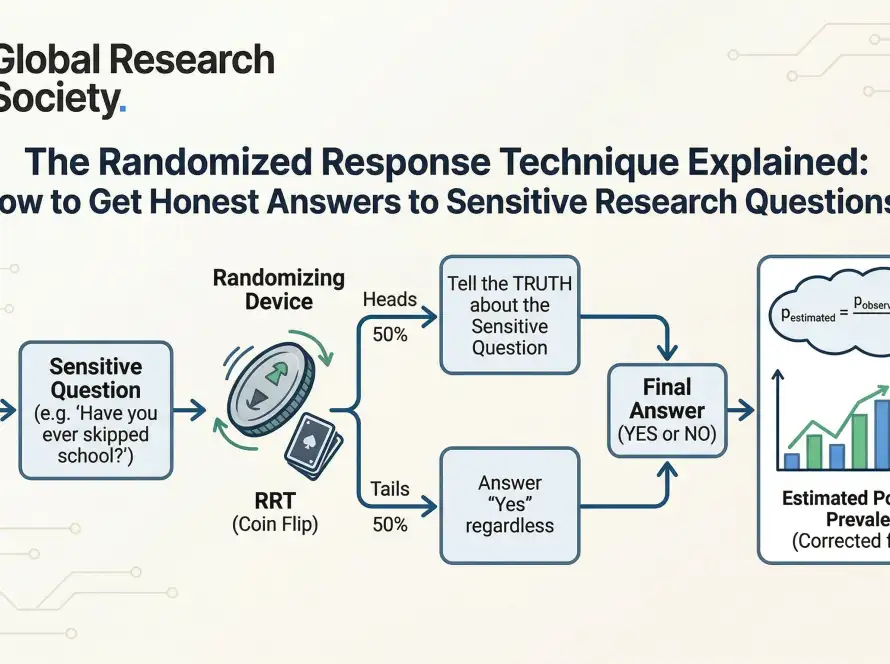
The survey may gather thousands of responses and generate useless information. The scores can look fine, and the graphs can look significant. But when favouritism occurs at some point in the design process, the data ceases to reflect whatever you are trying to quantify.
Survey errors can be categorised into several anticipated groups: sampling, wording, and order effects, as well as traps caused by missing data. These pitfalls will give you a chance to build instruments which will actually answer your research questions. The book is a guide on common errors and suitable solutions, based on the evidence-based practices in the Global Research Society community. These principles are universal across the globe, regardless of whether you are doing global research or local studies.
What did the Dark Side of Results Anciently Mean?
- Sampling Error Vs Measurement Error: The high sample size does not ensure the precision of the results. Both the sampling error and measurement error relate to who you sampled and how you posed the questions. so as you would survey thousands of individuals, biased responses may yet occur in individual cases when you ask the wrong questions or have incomplete samples of the population.
- Reliability and Validity in Common Speech: Reliability is having your survey yield the same result given the same circumstances. Validity refers to the fact that you have measured what you said you measured. A weak generalizability is a concern to the reviewers in the case of either one. Knowing these notions will enable you to diagnose issues prior to gathering data and not afterwards.
Sampling and Coverage Errors
Application of the Wrong Sampling Frame
Using online users as your survey sample and your target population is people with no internet access introduces coverage error. Non-internet-accessible respondents are different in a systematic way. Fix this by defining your population, then aligning your recruitment channel with the population.
Convenience Sampling Guardrail Free
Convenience samples are suitable in the exploratory research but invalid when you assert that the findings are applicable to a wider population. In case of their necessity, implement quotas to enhance diversity and disclose the limitations. Admitting limitations does not undermine your efforts, it builds confidence.
Disregarding Design Effects and Weighting Needs
Stratified or clustered complex survey designs change the way you compute precision. Imbalances can be corrected through weighting but this demand open reporting. Overlooking such adjustments confuses the reader into believing in real uncertainty in your confidence intervals.
Nonresponse and Missing-Data Traps
Considering Low Response as Automatically Biased
Poor response results do not necessarily nullify results. Bias occurs when a respondent sample differs with respect to non-respondents in the variables you are studying. Determine whether the respondents fit your target population on important attributes. Otherwise, weighting adjustments or sensitivity works.
Forcing Answers and Causing Drop-Offs
A response to all the questions will raise the break-offs and frustrate the respondents. One should allow sensitive items to have the option of don’t know or prefer not to answer. Eliminate cognitive load: Keep surveys concise and omit unrelated questions in the event of previous responses. Research society members constantly point out that the proper survey design brings about superior data quality.
Errors in Wording the Question which Mislead the Answers
- Double‑barreled Questions: Two concepts are merged together by the question of double-barrels and this results only in unintelligible information. As an example, How satisfied are you with the product quality and price requires respondents to make potentially different judgments together. Divide these into different questions.
- Leading and Loaded Wording: Questions posed at the very beginning with such words like Don’t you agree that…or emotional wording incline respondents to specific responses. A neutral formulate minimizes the social desirability bias and generates more precise information. During pretesting, test alternative phrasings when you can determine which ones seem best.
- Unclear Language, Slangs, and Indeterminate Periods: And terms like regularly, often, quality have various meanings among various people. Qualifiers such as recently are open to unequal perception. Use plain language understandable by all your sample, and be specific, like in the past 30 days.
Effects of the Questionnaire Structure and Contexts
Order Effects and Priming
Previous questions preframe following questions to the respondents. To use an example, enquiring on environmental concerns prior to policy preferences will alter how individuals respond. During pretesting, try out the various orders, and randomize the order of questions where feasible to correct systematic bias.
Weak Elucidation of Delicate Demographics
Inquiring of income or health conditions or other sensitive issues at too early a stage can escalate break off rates. Installing them too late can imply that you get this data only on the respondents who survived the initial sections. Weigh these issues depending upon your critical priorities. Pretesting exposes areas where the respondents are hesitant or quit the survey.
Pretesting and Quality Control
- Omission of Pretests and Cognitive Interviews: You would not know what the respondents would make out of your questions until you ask them. Cognitive tests, so you interview individuals regarding what each question was, prevent confusion before destroying your data. Small pits and various participants do pay off in quality of data.
- Disregarding Straight-Lining and Low-Effort Patterns: Other respondents make clicks without reading. Check attention less frequently to detect low-effort answers. Mark the completion of otherwise atypical times and analyze the trends of the same response in long batteries. Filtering out bad answers will enhance your signal without skewing your results when done in an open manner.
- Reporting So Others Can Trust Your Survey: Record all design decisions. Write about your sampling frame and the recruitment process. Response rates on the reports and the way you addressed missing data. Present verbatim questions in appendices. Discuss your weighting method and sensitivity tests.
You do not show the readers what you cannot evaluate. Open reporting is the key to identifying serious world studies from sources that are unreliable and unproducible. The Global Research Society promotes such a degree of openness in all member projects.
Prompt Checklist and Scoring Rubric
Indicate your survey design on the following scale:
- The target population corresponds to the sampling frame.
- The plan of coverage deals with possible gaps.
- Pretesting with a cognitive follow-up.
- Questions do not use double-barreled language.
- Language is understandable to every respondent.
- Response options are exhaustive and equal.
Any criterion you satisfy decreases the risk of invalidity of your results due to design flaws. Active researchers who engage in grsoc discussion will post rubrics such as this to enhance community practice within institutions and fields.
Conclusion
Good surveys are not something that happen by good chance. Recruitment Before recruiting. Ask questions to respondents in an intended way. Pretest everything. Document every decision.
By following these steps, your data gains the credibility that you are requesting readers to give it. Credible global research and the mark of reasoned research society participation is based on that trust.